





The Midlands’ position as the UK’s largest logistics region is well established, with total warehousing space now put at around 130 million square feet – well ahead of every other part of the country. It’s an easy figure to skim past, but what does it truly mean?
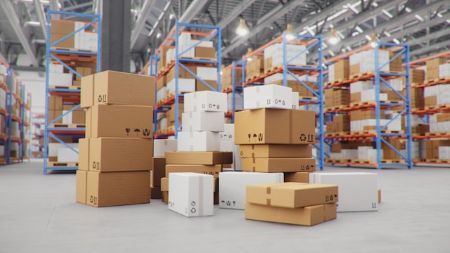
To put it in perspective, that’s the equivalent of about 1,700 football pitches of warehouse floor, spread across a single region. Behind that number is an enormous, constantly moving network of goods, people and equipment, all working to keep stock flowing in and out of the region every hour of every day.
Not Just Bragging Rights
Being named the UK’s biggest logistics region says a lot about the area’s transport links, land availability and long-standing manufacturing base. But titles like this tend to focus on square footage and headline investment figures, without much attention paid to what actually happens inside all that space.
Running 130 million square feet of warehousing efficiently isn’t really about the buildings themselves. It’s about everything that moves within them. Every one of those sites needs stock picked, pallets shifted, and goods loaded, day in and day out, regardless of how impressive the regional totals look from the outside.
When ‘Good Enough’ Is Not Enough
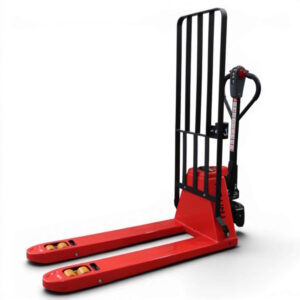
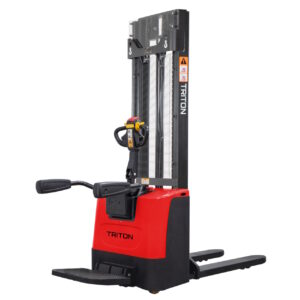
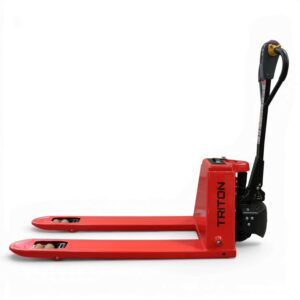
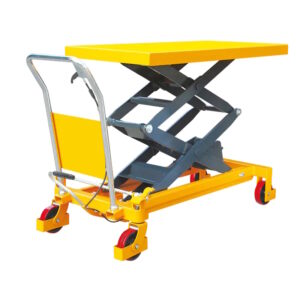
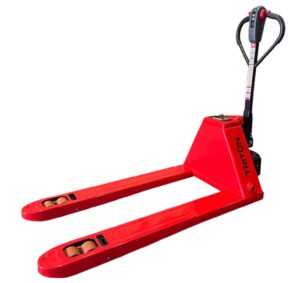
For a smaller operation, a handful of pallet trucks, stacker trucks and lift tables doing a reasonable job might be perfectly adequate. Multiply that across a region holding this much warehousing space, and the margin for equipment that’s merely “good enough” starts to disappear. Slower stackers, worn wheels, or a fleet that’s simply too small for the volume being handled don’t just slow down one site, they add up across an entire regional network that other businesses, hauliers and customers are relying on to keep moving.
It’s also worth remembering that a lot of this activity doesn’t happen in vast, headline-grabbing distribution centres. Much of the region’s total footprint is made up of smaller manufacturers, independent retailers and regional distributors – all contributing to that 130 million square foot figure in their own, more modest way, and relying on high quality equipment for everyday operations.
Being the UK’s biggest logistics region is a statistic to be proud of, but it is also a reminder of just how much day-to-day equipment, care and attention keeps that scale of operation running smoothly day after day, year after year.