






Recent figures from Logistics UK’s 2026 Report show that logistics now account for roughly eight per cent of the entire UK workforce, making it one of the country’s largest employment sectors.
The scale of that figure is easy to overlook, but it points to an enormous volume of manual handling equipment being relied upon across warehouses – particularly in the Midlands – every single working day.
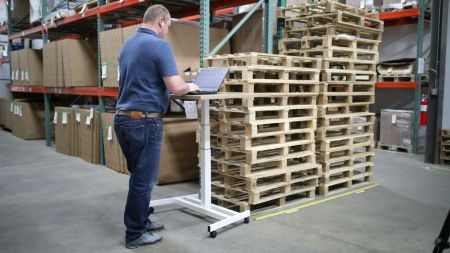
With warehousing, distribution and transport now employing such a significant share of the workforce, the company says it’s worth pausing to consider what that looks like on the ground. Behind the headline figure are millions of individual tasks carried out day in, day out: pallets being moved, stock being picked, goods being loaded onto vehicles.
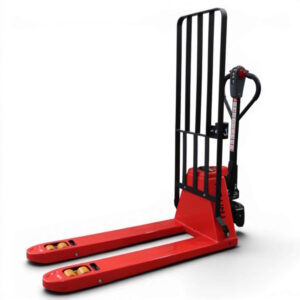
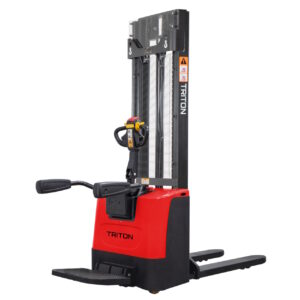
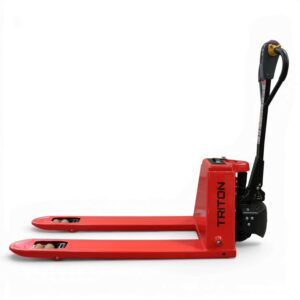
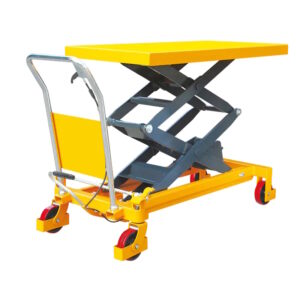
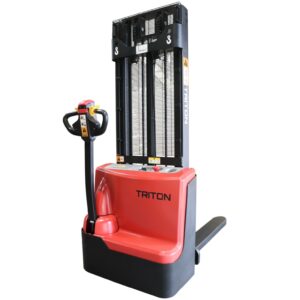
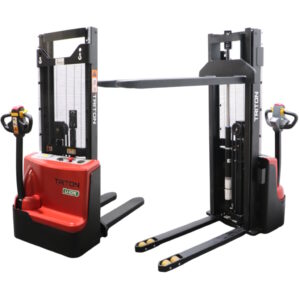
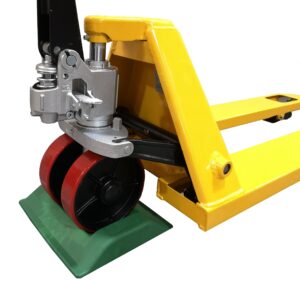
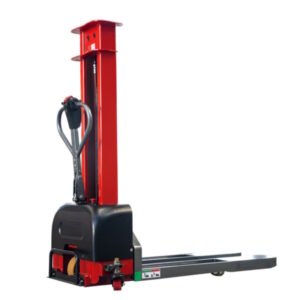
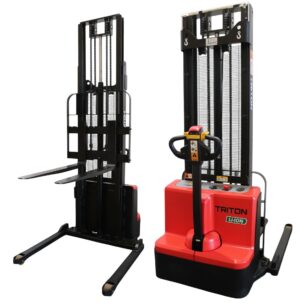
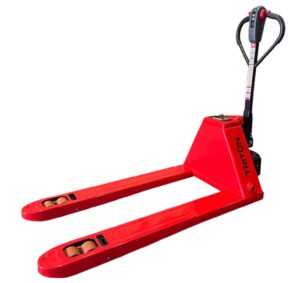
Much of that work still depends on straightforward manual pallet trucks, stackers and lift tables, rather than the automation that often dominates industry headlines.
Phil Chesworth, Managing Director of the West Midlands-based Midland Pallet Trucks, said, “It’s a striking figure when you actually stop and think about it. One in twelve people working in the UK is doing a job connected to logistics in some way, and a huge proportion of those roles involve physically moving goods around a site. That’s not a small, niche part of the economy, it’s a genuinely enormous workforce.
“What that means for us is straightforward. Every one of those workers needs equipment that’s reliable, safe and suited to the job they’re doing. We’re talking about millions of individual lifts, pushes and moves happening across the Midlands on any given day, and the equipment behind that work doesn’t get anywhere near the attention it probably deserves.”
It’s easy for people to picture logistics as forklifts and conveyor belts, but for a huge amount of this workforce, it’s still a pallet truck, stacker truck or lift table doing the heavy lifting, quite literally. Given how many people that now represents, making sure that equipment is fit for purpose is something that affects a genuinely significant slice of the UK workforce.
Chesworth added, “We’d like to see this figure prompt a bit more recognition of just how much everyday manual handling equipment underpins the wider logistics sector, rather than it being treated as an afterthought next to bigger, more visible investments.”