






There’s a strange chasm opening up in how UK small businesses see the world. According to YouGov’s Business Sentiment Tracker, owners rate their own prospects at 64.7 out of 100, a solidly confident score. Ask the same people about the wider UK economy, and that figure drops to just 37.4. Put simply, businesses trust their own numbers a lot more than they trust the news.
It’s worth sitting with that gap for a moment, because it says something genuinely useful: this isn’t blind optimism. It’s owners looking at their own order books, their own customer relationships and their own growth plans, and concluding that things look reasonably solid, even while everything around them, interest rates, inflation headlines, political noise, looks far less certain.
Why Confidence in Your Own Business Is a Different Thing Entirely
It’s easy to lump all uncertainty together, as though a shaky economic outlook automatically means a shaky business. But the two often move quite separately. A manufacturer with a strong order pipeline, or a retailer with loyal repeat customers, can feel genuinely confident about the months ahead even while reading gloomy economic commentary at the same time.
That distinction is important when it comes to decisions like equipment investment. Too many businesses let the second figure – the pessimistic economic backdrop – override the first – their own genuinely stronger outlook. The result is a kind of self-imposed caution that isn’t actually backed by anything happening inside the business itself.
Growth Needs the Right Tools, Not Just the Right Attitude
Believing in your own growth is one thing; being properly set up to handle it is another. A business that’s confident about rising order volumes but still relying on ageing or undersized handling equipment is setting itself up for exactly the kind of bottleneck that undermines the growth it’s expecting.
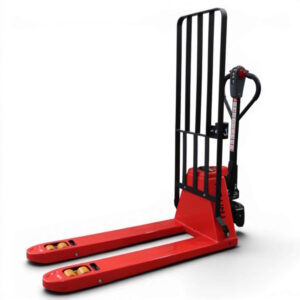
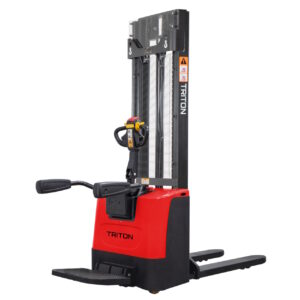
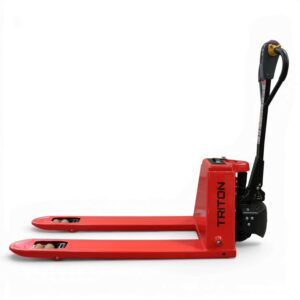
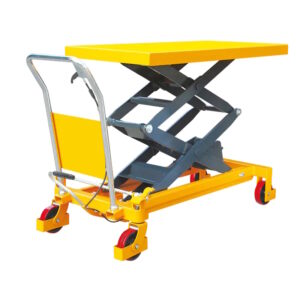
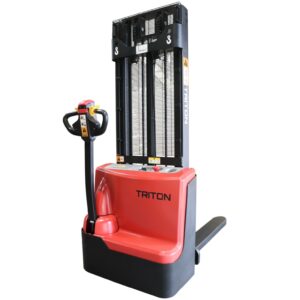
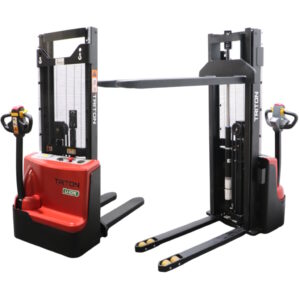
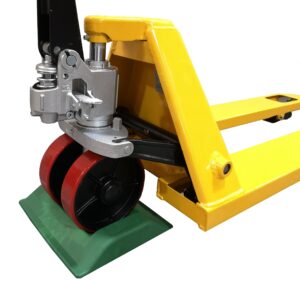
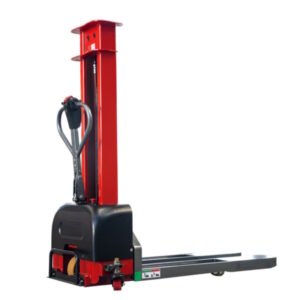
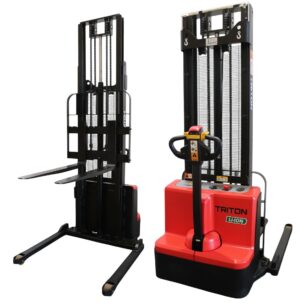
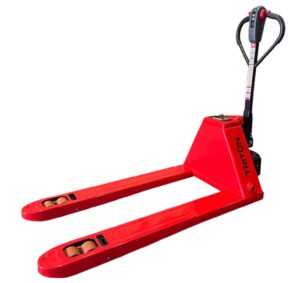
For businesses moving stock, materials or goods around a warehouse, that can mean looking at relatively straightforward equipment investments – such as high quality pallet trucks, stacker trucks or lift tables – before capacity becomes a problem. The right choice will depend on the work involved, but the principle is the same: equipment should support the level of activity a business expects to reach, rather than the level it has already outgrown.
If a business genuinely believes its own numbers, and that data suggests plenty of owners do, then investing in the equipment needed to support that growth isn’t a reckless bet against a difficult economy: it’s simply backing what the business’s own figures are already telling it.