





A careful observer may notice a curious contradiction in UK warehouses: order management systems are live, warehouse management software is fully deployed, and dashboards are reporting healthy performance… and yet, downtime on the warehouse floor is creeping up. For many operators, it is frustrating to know that something is slowing operations down, without any obvious system failure to blame.
So, what is really happening?
AI Can’t Fix Worn Wheels
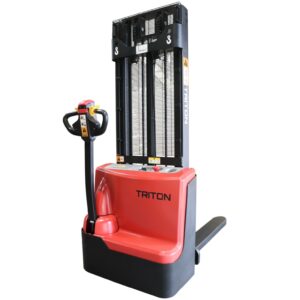
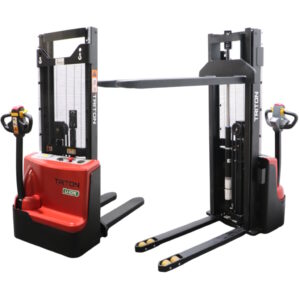
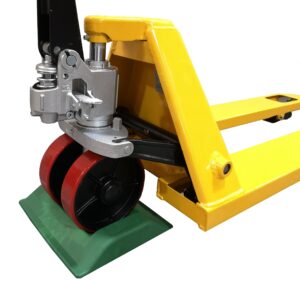
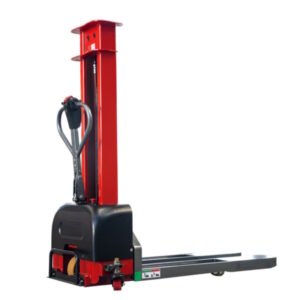
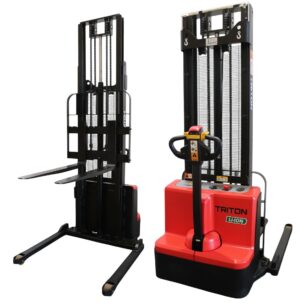
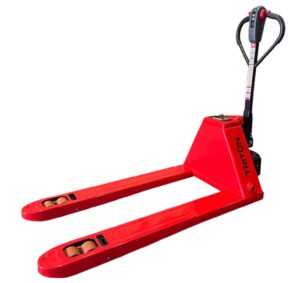
One reason is that digital visibility has improved faster than physical resilience. While software can optimise routes, slots and pick paths, it cannot compensate for worn wheels, tired hydraulics or poorly maintained manual handling equipment. When pallet trucks, stackers or lift tables are operating below par, the slowdown is gradual and often invisible to reporting systems. Tasks still get completed, just more slowly, with more effort and more disruption.
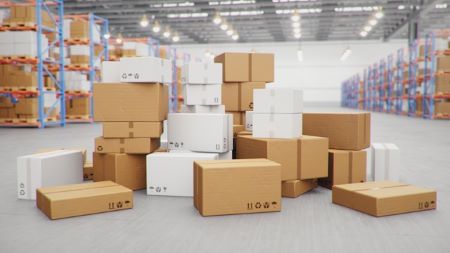
Another overlooked factor is how warehouses are actually being used day to day. Facilities originally designed for steady pallet-in, pallet-out flows are now handling mixed cases, split pallets, returns and rapid replenishment cycles. This creates far more short movements, tight turns and stop-start activity.
Equipment is under constant strain, even though overall volume may not appear significantly higher on paper. Over time, this leads to increased breakdowns, minor failures and unplanned pauses that accumulate into real downtime.
Labour Pressures and Maintenance Practices
Labour pressure also plays a role. As experienced staff become harder to retain, newer operatives are often asked to work with minimal training on basic handling equipment. Forklift certification may be in place, but pallet trucks and manual aids are frequently treated as intuitive tools that need no instruction. Poor handling habits increase wear on equipment and raise the risk of minor incidents that take assets out of service temporarily.
Maintenance practices are another weak spot. Preventative maintenance is often focused on high-value automation or powered vehicles, while manual equipment is left on a “run until it fails” basis. Individually, a damaged pump or cracked wheel may seem minor. Collectively, these issues slow picking, increase physical effort and cause bottlenecks at precisely the moments when warehouses need flexibility.
What makes this form of downtime particularly challenging is that it rarely triggers an alarm. Orders still ship, KPIs still update and systems still function. The cost shows up instead in longer shifts, increased absenteeism, rising repair bills and a general sense that the warehouse is working harder to stand still.
For many retail and logistics operators, addressing downtime now means looking beyond software performance and back to the physical layer of operations. Equipment condition, layout and everyday handling practices may not generate headlines, but at the end of the day they play a role in determining whether a warehouse runs smoothly or slowly grinds itself down.