





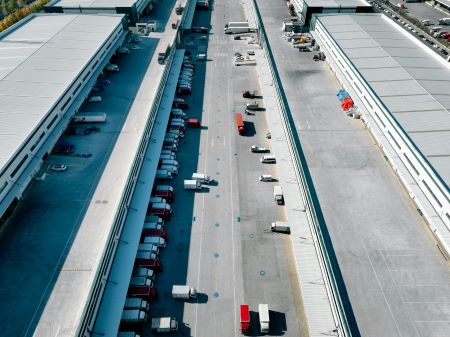
With Spring at our doorstep, pressure builds in one of the most critical – and often overlooked – areas of the warehouse: the loading bay. For many operations, vehicle turnaround time is a key performance metric, yet delays at this stage are frequently accepted as part of the process rather than something that can be improved.
In reality, small changes to materials handling equipment can make a noticeable difference to how quickly goods move in and out of a site. According to Midland Pallet Trucks, the loading bay is where inefficiencies become most visible. Lorries waiting to be unloaded or reloaded create knock-on delays across the supply chain, affecting delivery schedules, driver availability and overall throughput.
The Cost of Small Delays
A few extra minutes per vehicle may not seem significant in isolation. However, when multiplied across dozens of daily deliveries, those delays quickly add up. Slow unloading, awkward manoeuvring or repeated adjustments when positioning pallets can all extend turnaround times.
In many cases, the root cause is not staffing levels or workflow design, but the equipment being used. Pallet trucks that are harder to steer, slower to lift or less stable under load can reduce the pace of work without it being immediately obvious.
During busier periods such as spring stock builds, when inbound deliveries increase, these small inefficiencies become more pronounced. What might be manageable during quieter months can turn into a bottleneck under pressure.
How Equipment Choice Affects Flow
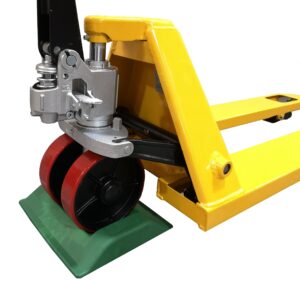
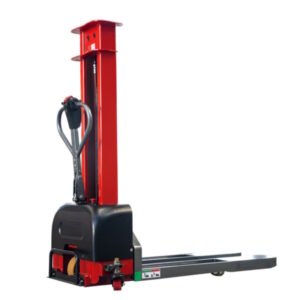
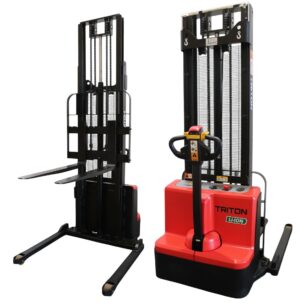
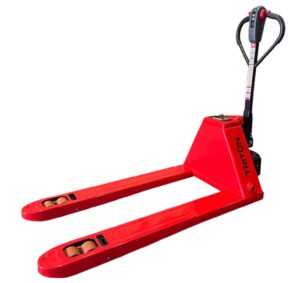
The type and condition of pallet trucks used at the loading bay can directly influence how efficiently goods are handled. Smooth-rolling wheels reduce resistance when moving heavy loads on and off trailers, while responsive hydraulics allow for quicker lifting and positioning. Manoeuvrability is equally important, particularly in tight loading areas where space is limited. Equipment that responds predictably enables operators to work with confidence, reducing the need for constant repositioning or correction.
Consistency also matters. When equipment performs reliably from one shift to the next, operators can maintain a steady rhythm, which is essential for keeping vehicles moving on schedule.
Phil Chesworth, Managing Director at Midland Pallet Trucks, says, “Loading bay delays are rarely caused by one big issue. It’s usually a series of small inefficiencies that build up over time. Equipment plays a big role in that. If a pallet truck isn’t running smoothly, every movement takes a little longer.
“Ensuring trucks are well maintained, suited to the loads being handled and easy to operate can have an immediate impact on turnaround times. When operators aren’t fighting the equipment, the whole process becomes more efficient.”