





For many warehouses, the most disruptive orders are not necessarily the biggest ones: the real challenge comes from orders that change after work has already started.
Across retail, ecommerce and distribution, customers now expect a high level of flexibility. Addresses are amended, quantities adjusted and products swapped at short notice, sometimes after picking is already underway. While these changes may seem minor from the customer side, they can create significant disruption inside the warehouse.
According to Midland Pallet Trucks, late-stage order amendments are contributing to more internal stock movement and less predictable workflows across many operations.
Small Changes Create Extra Movement
Once an order enters the picking process, the warehouse begins building movement around it. Stock is retrieved, pallets are positioned and staging areas are allocated. If details change halfway through, those movements often need to be repeated or reversed.
A quantity increase may require operators to revisit storage areas that were already completed, or a product swap can force partially picked pallets. Even something as simple as a delivery address amendment can affect how and where goods are staged before dispatch.
The result is a steady increase in small inefficiencies that build throughout the day. Goods are handled more times than originally planned, operators travel longer distances, and dispatch areas become more congested as revised orders wait to be reorganised.
Warehouses Are Becoming More Reactive
Many warehouse layouts were designed around predictable flow patterns, where stock moved through the building in a relatively structured sequence. Late-stage order changes interrupt that rhythm by introducing unexpected movement into areas already operating close to capacity.
This is particularly noticeable in fast-moving fulfilment environments where picking schedules are tightly timed. Operators may have to stop one task midway through to resolve another order that has suddenly changed priority.
In some warehouses, temporary holding zones are increasingly used to manage these adjustments. Orders that are incomplete or awaiting amendments are set aside until the correct stock or information becomes available. Over time, however, these temporary areas can begin occupying valuable operational space.
Pressure on Equipment and Staff
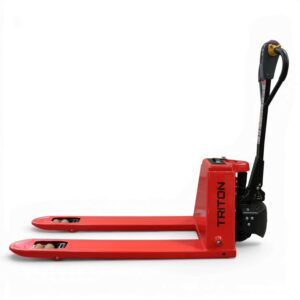
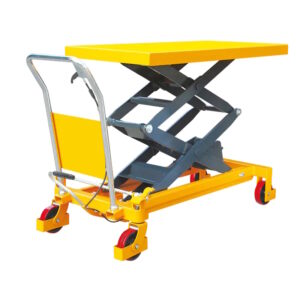
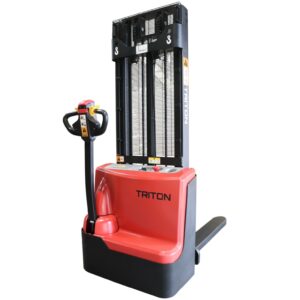
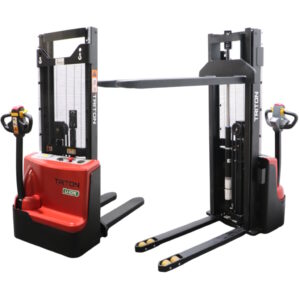
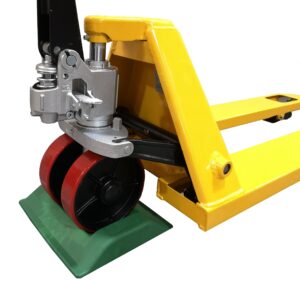
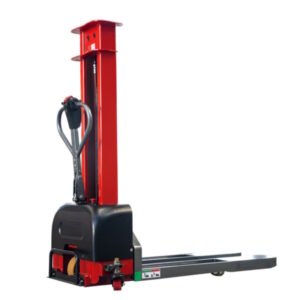
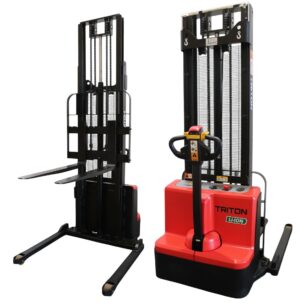
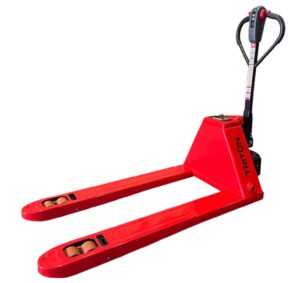
The impact also extends to material handling equipment. Pallet trucks, lift tables and stackers are often required to make additional journeys as orders are reworked, repositioned or consolidated differently. Instead of moving stock through a clean, linear process, equipment is used in shorter, more reactive cycles throughout the shift.
That constant adjustment can gradually reduce efficiency – especially during busy trading periods where warehouses are already under pressure to maintain throughput.