





Warehouse productivity is often discussed in terms of software, automation and sophisticated inventory systems. Yet on many warehouse floors across the UK, productivity losses are happening in far more ordinary ways. Small physical inefficiencies – from worn equipment to uneven surfaces and underpowered handling tools – can slow operations day after day.
For businesses focused on throughput and delivery performance, these seemingly minor issues can add up to a significant drag on productivity. According to Midland Pallet Trucks, warehouse performance is not just determined by technology or workforce planning. The physical workflow – how goods are moved from one location to another – still underpins the entire operation.
When the Floor Itself Slows Things Down
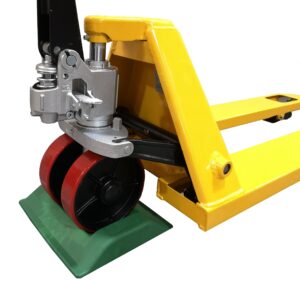
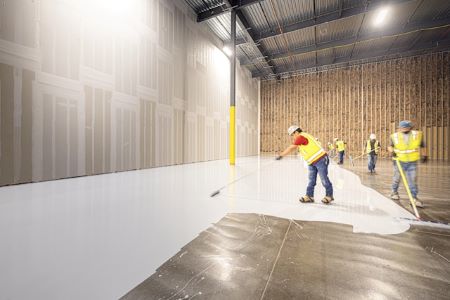
Uneven floors are one of the most common yet overlooked sources of inefficiency. Over time, warehouse concrete can wear, settle or crack, particularly in high-traffic areas such as loading bays and picking zones. Even small variations in surface level create additional resistance when moving loaded pallets.
Operators may barely notice the difference at first. But when every pallet movement requires slightly more effort or careful steering, those seconds accumulate over the course of a shift; across hundreds of pallet movements per day, the impact becomes measurable. Uneven surfaces can also affect pallet stability, particularly when transporting heavier loads. Operators often compensate by moving more cautiously, which naturally slows workflow.
Another thing to take into account are wheels, which becomes worn more quickly on less-then-ideal surfaces. As they wear down, they lose their smooth rolling performance. This not only slows pallet movement but can also increase operator fatigue. Staff who are constantly pushing against extra resistance will tire more quickly, which in turn reduces pace and increases the likelihood of mistakes.
When Equipment Isn’t Fit for the Job
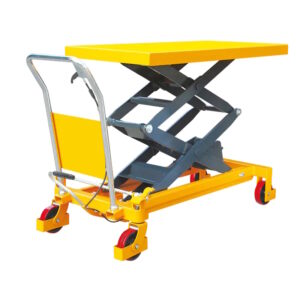
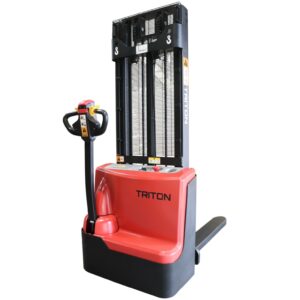
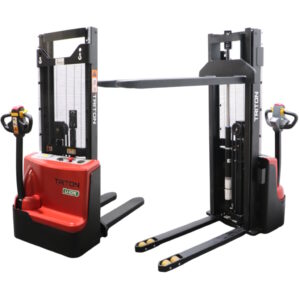
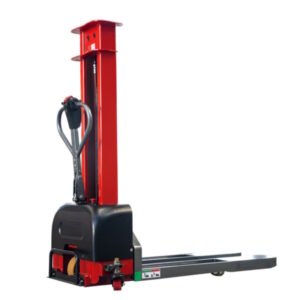
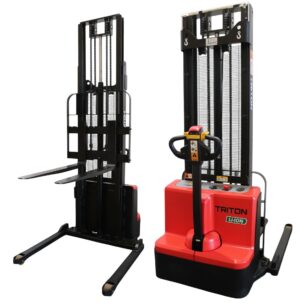
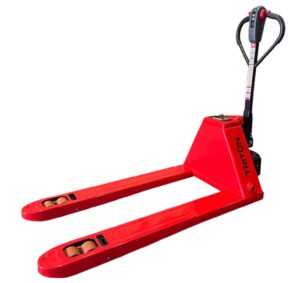
Another hidden productivity issue arises when pallet trucks simply lack the power or design required for the tasks they are performing. In warehouses where stock volumes have grown over time, older manual trucks may now be handling loads that push their limits.
Underpowered equipment can lead to slower lifting, heavier steering and greater physical strain for operators. In some cases, the equipment is technically still functional, but no longer appropriate for the scale or pace of the operation.
Phil Chesworth, Managing Director at Midland Pallet Trucks, says the physical side of warehouse operations is often underestimated.
“There’s a lot of focus on digital systems and automation, which are important,” he said. “But the reality is that pallets still need to move across the warehouse floor. If the equipment doing that work isn’t performing properly, productivity inevitably suffers. Often the gains come from removing friction – literally and operationally.”