









In the years since the Covid-19 Pandemic, there have been seismic changes to the UK supply chains. Where once much manufacturing and logistics activity was offshored, there is growing momentum behind reshoring and nearshoring plans that bring operations closer to home.
This trend is reshaping demand for warehousing space and, in turn, driving investment in handling equipment throughout the country.
Closer Is Better
Several factors have fuelled this change. Rising global supply chain uncertainty, geopolitical tensions and increasing freight costs have all encouraged British firms to reassess their reliance on distant production hubs. At the same time, the boom in e-commerce and expectations for rapid delivery have pushed retailers to build out UK-based fulfilment networks, making proximity to consumers an invaluable asset.
A key piece of evidence for this change comes from property market data showing that the Midlands – a central logistics hub often described as part of the UK’s “Golden Triangle” – continues to dominate warehouse take-up.
Recent research found that the Midlands accounted for 42% of all leasing activity of units over 100,000 sq ft in 2024, with take-up increasing year-on-year despite broader economic uncertainty. This reinforced the region’s position as a strategic distribution centre for third-party logistics providers and national supply chains.
Logistics Matters
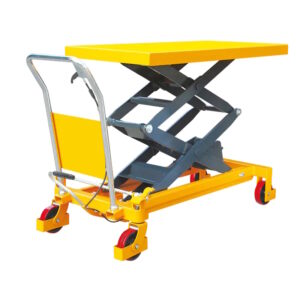
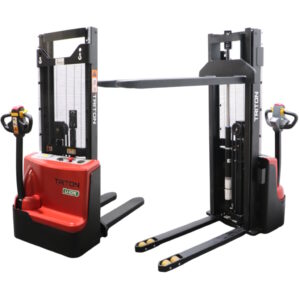
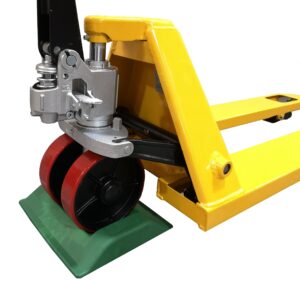
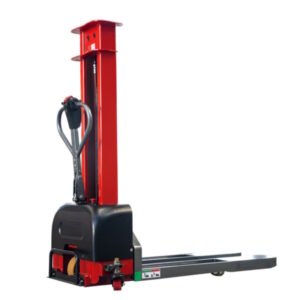
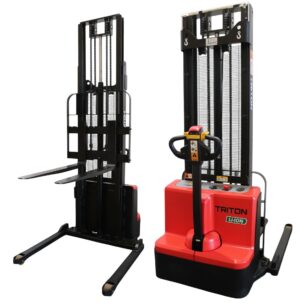
As warehousing footprints expand, so too does the demand for high-quality handling equipment. More warehouse space means more pallet trucks, stackers and lift tables are needed to move goods efficiently and safely. This demand reflects not just the sheer volume of activity, but how goods are handled in tighter, more automated environments close to urban hubs, where last-mile delivery is critical.
“Alongside the reshoring trend, workforce dynamics are another factor in this change,” says Phil Chesworth, Managing Director at Midland Pallet Trucks. “With businesses struggling to fill skilled labour roles, firms are increasingly investing in ergonomic, electric and smart handling tools that reduce training time and operator fatigue.”
The reshoring movement appears set to bolster UK supply chain resilience while reinforcing the strategic importance of domestic logistics infrastructure.
“For suppliers like Midland Pallet Trucks, this means continuing to support customers with reliable, future-ready solutions that match the pace and complexity of today’s warehousing,” Chesworth adds.
“By helping businesses future-proof their operations, the industry can turn reshoring from a policy ambition into a practical competitive advantage, boosting efficiency and strengthening local supply chains for years to come.”