







In many UK warehouses, staff training follows a familiar pattern. Forklift operators complete formal certification, refresher courses are logged, and compliance requirements are clearly understood.
Yet alongside these highly regulated machines, pallet trucks and other manual handling equipment are often treated as intuitive tools that require little formal instruction. According to Midland Pallet Trucks, this assumption remains one of the most persistent – and risky – oversights on the warehouse floor.
“Pallet trucks are everywhere, so people assume everyone knows how to use them properly,” says Phil Chesworth, Managing Director at Midland Pallet Trucks. “In reality, they’re often the first piece of equipment someone is handed, and the one they receive the least guidance on. So even though they are comparatively easy to use, that’s where problems start to creep in.”
Load Awareness
One of the most common training gaps is load awareness. While staff may know a truck’s stated capacity, fewer understand how uneven, damaged or poorly wrapped pallets affect stability. Without training on correct positioning and weight distribution, operators are more likely to overexert themselves or lose control of a load – particularly in busy pick areas or confined spaces.
Manoeuvring Technique
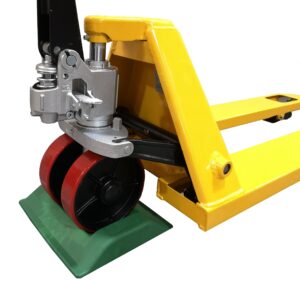
This is another area that is frequently overlooked. Pallet trucks are often used in delivery vehicles, narrow aisles and shared pedestrian zones, yet many operators have never been shown best practice for turning, stopping distances or navigating dock plates and ramps.
“These are small details, but they matter,” Chesworth explains. “When pressure is on and volumes spike, poor habits can quickly turn into near-misses or injuries.”
The Importance of Maintenance
Maintenance awareness also tends to fall through the cracks. Operators are rarely trained to recognise early signs of wear, such as stiff steering, damaged wheels or inconsistent lifting. As a result, equipment may remain in use until a failure occurs.
“Basic daily checks and clear reporting processes can prevent a lot of downtime,” says Chesworth. “But only if people know what they’re looking for and feel responsible for flagging issues.”
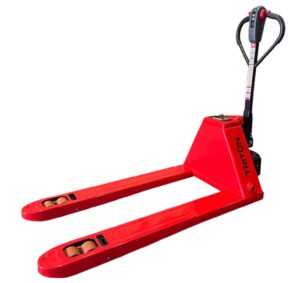
Electric pallet trucks add another layer of complexity: while electric models reduce physical strain, they introduce new considerations around charging routines, battery care and safe operation in mixed-use environments. Too often, equipment is upgraded without updating training to match.
“Pallet trucks might be simple machines, but they play a critical role in daily operations,” Chesworth says. “Investing a bit more time in training pays back quickly in safety, efficiency and confidence on the warehouse floor.”