





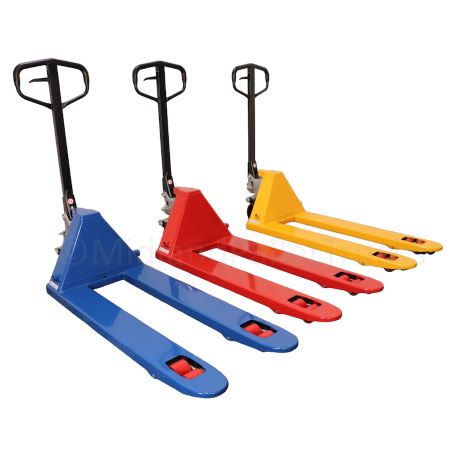
Pallet trucks are one of the most familiar sights on a warehouse floor, yet not all pallet trucks are created equal. Choosing the right type can have a significant impact on productivity, safety and long-term operating costs. As warehouses adapt to tighter margins, labour shortages and faster fulfilment cycles, understanding the differences between pallet truck types has never been more important.
Hand pallet trucks
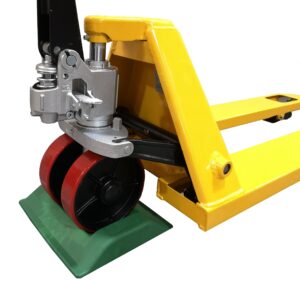
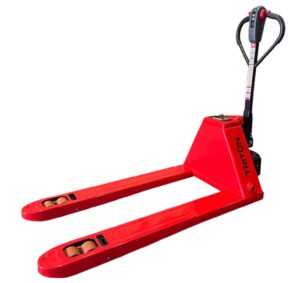
Hand pallet trucks remain the most widely used option across UK warehouses. Simple, robust and cost-effective, they are ideal for short-distance moves and lighter workloads. Their mechanical design keeps maintenance requirements low, making them a reliable choice for smaller operations or as a dependable backup in larger sites. When built well, a manual pallet truck can deliver years of service with minimal downtime, which is why quality construction is essential.
Electric pallet trucks
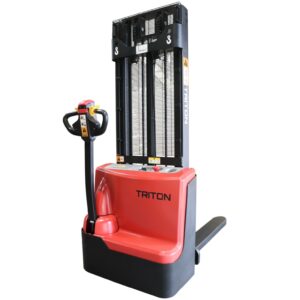
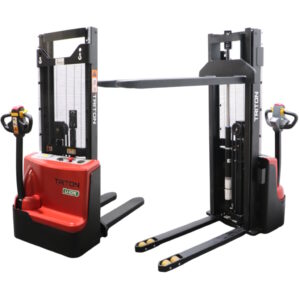
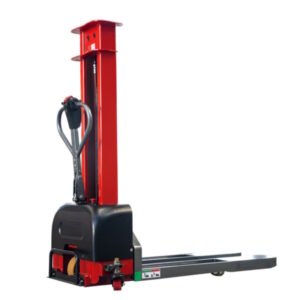
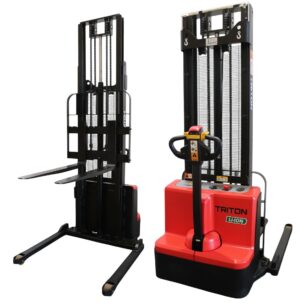
As workloads increase, many businesses are turning to electric pallet trucks. These units take the strain out of moving heavier loads and are particularly useful in high-throughput environments where repetitive handling is unavoidable. Electric pallet trucks also help address health and safety concerns by reducing physical exertion, which can lower the risk of musculoskeletal injuries. With more warehouses operating longer shifts and tighter turnaround times, electric models are becoming an increasingly common sight.
Weighing scale trucks
Weighing scale trucks combine load movement with on-the-spot weighing, removing the need to transport goods to a separate scale. This can save valuable time in busy dispatch and receiving areas, especially where weight checks are frequent. They are commonly used in logistics, manufacturing and retail distribution, where accuracy and speed are critical. By integrating weighing into everyday handling tasks, businesses can streamline workflows and reduce bottlenecks.
Rough terrain
For sites that operate beyond smooth warehouse floors, rough terrain trucks offer a practical solution. Designed with larger wheels and reinforced frames, these trucks can handle uneven surfaces such as yards, construction sites or agricultural settings. While they may not be suitable for every environment, they play a vital role where standard pallet trucks would struggle or fail altogether.
Across all types, build quality and suitability for the working environment are key considerations. As Phil Chesworth, Managing Director at Midland Pallet Trucks, said, “Pallet trucks are often taken for granted, but the right choice can make a real difference. Matching the equipment to the job reduces downtime, improves safety and helps teams work more efficiently day in, day out.”