

Warehouse work can be physically demanding; that is undeniable. However, the pressures facing operators are not always caused by the obvious hazards.
A busy distribution centre might have safe working procedures, regular training and well-maintained equipment, yet employees can still face daily frustrations that make their roles harder than they need to be. Repetitive tasks, tight deadlines and working alone for long periods can all add pressure during a normal shift.
These factors are increasingly being considered under the wider discussion around psychosocial risks at work. The Health and Safety Executive (HSE) has noted that issues such as excessive workload, poor support and isolation as factors that can contribute to work-related stress.
Small Issues Can Add Up
It is easy to view pallet trucks, stacker trucks and lift tables purely as productivity tools. Their job is simple: move goods safely and efficiently from one point to another. However, the design and condition of that equipment can have a noticeable effect on operators.
A pallet truck with worn wheels can require more effort to move, and equipment that is awkward to steer in confined areas can slow down routine tasks. Poor visibility around handling equipment can make operators more cautious when working near colleagues, vehicles or storage areas.
None of these issues necessarily create an immediate safety incident – but it does become a problem when they are repeated over and over again, sometimes hundreds of times during a working week. Over time, extra physical effort and small operational frustrations can contribute to tiredness and reduced concentration.
Warehouse Design Affects How People Work
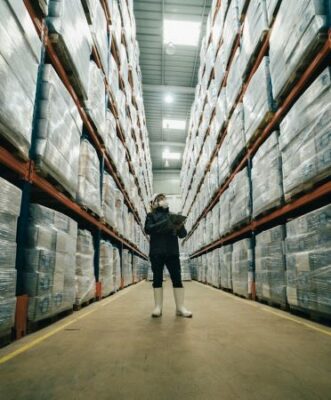
Large distribution centres often require employees to spend much of their day moving between different areas of the site. Some workers may spend long periods away from colleagues, particularly in larger storage facilities or quieter sections of a warehouse.
Equipment design can influence how comfortable and confident people feel carrying out those tasks. Clear sight lines, easy manoeuvrability and controls that are straightforward to use all help operators work with fewer obstacles. For businesses reviewing workplace wellbeing, these details are worth considering alongside more traditional measures such as training, staffing levels and communication.
Beyond Accident Prevention
The role of warehouse equipment has traditionally been measured by capacity, durability and cost. Those factors remain important, but the experience of the person using the equipment matters as well.
Better-designed handling equipment will not remove every challenge faced by warehouse workers. However, reducing unnecessary strain and making everyday tasks easier can contribute to a more supportive working environment.