

May has a habit of breaking routine. With multiple bank holidays spaced across the month, warehouse teams often find themselves dealing with stop-start demand, uneven staffing and delivery schedules that don’t follow the usual rhythm. It’s not always the busiest time of year, but it can be one of the most unpredictable.
For many operations, the pressure builds just before and just after each long weekend. Suppliers push deliveries forward to avoid closures, outbound orders bunch together, and the warehouse floor suddenly has to absorb a surge that wasn’t there a few days earlier. Then, just as quickly, things ease off again.
According to Midland Pallet Trucks, it’s this uneven pacing that causes the most disruption. Warehouses are typically set up for consistency – steady inbound, steady outbound – but bank holiday periods just do not behave that way.
Everything Everywhere All at Once
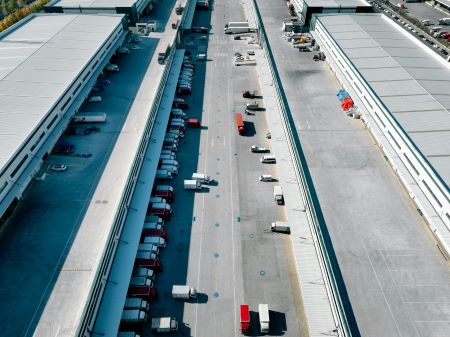
One of the main challenges is managing flow when everything arrives at once. Loading bays can become congested, staging areas fill up faster than expected, and operators are forced to work around temporary stock build-ups. Even well-organised layouts can struggle when volume is compressed into shorter timeframes.
Staffing can add another layer of complexity. With annual leave and shift changes more common around bank holidays, teams are often stretched or less experienced than usual. That can slow down decision-making on the floor, particularly in areas that rely on coordination, such as unloading or dispatch.
Phil Chesworth, Managing Director at Midland Pallet Trucks, says these periods are worth paying attention to because they can expose how resilient a warehouse setup really is.
“It’s not always a matter of handling more volume overall; actually, that is often the least concern,” he said. “But you have to handle things differently. When everything is pushed into a shorter window, small inefficiencies become much more noticeable.”
He points out that equipment plays a bigger role than many expect. “If pallet trucks, stacker trucks and lift tables aren’t moving smoothly, or if they’re not suited to the type of loads coming through, it can slow things down at exactly the wrong moment. During quieter periods, you can absorb that. During a pre-bank holiday rush, you can’t.”
Going With the Flow
Maintaining flow in these conditions often comes down to preparation rather than reaction. Making sure key equipment is in good working order, keeping high-traffic areas clear, and thinking ahead about how space will be used during busier days can all make a difference.
There’s also value in recognising where pressure is likely to build. Loading bays, transfer points and picking zones tend to take the strain first when schedules compress. Paying attention to how these areas function – and whether equipment supports or hinders movement – can help prevent small delays from turning into larger bottlenecks.
Bank holidays may only disrupt the calendar for a few days at a time, but the knock-on effect on warehouse operations can linger. For teams that plan ahead, though, they also offer a useful test of how well the operation holds up when the usual rhythm is taken away.